Assembling a Genuinely $0/Month Stack: Free Database Pairings That Survive Real Traffic
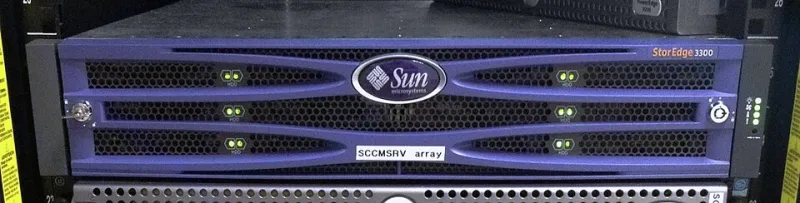
Photo: Aaron Hall, CC BY-SA 2.0, via Wikimedia Commons
The Weakest Link Problem
There's a special kind of heartbreak in seeing your traffic dashboard light up, then watching your app crash because the free Postgres tier you grabbed on a whim caps out at 20 connections. Your compute host was fine. Your database was the bottleneck. In the world of $0/month stacks, the database is almost always the component that breaks first — and it breaks quietly, usually at the worst possible moment.
This tutorial walks through pairings we've actually run in production-ish conditions: small hobby apps, a Discord bot, a personal API. Nothing scientific, but enough real traffic to separate the tiers that work from the ones that crumble.
Pairings That Hold Up
1. Serverless compute + managed Postgres free tier. The classic modern combo. Serverless functions scale to zero (free), and a managed Postgres free tier typically gives you 256MB–1GB of storage plus a generous monthly compute allowance. The catch: serverless functions open a connection per invocation unless you pool. Which brings us to...
2. Anything + a connection pooler. If your free Postgres tier caps connections in the low double digits, put a pooler in front of it. Some managed providers expose one built in (look for a port 6543-style pooled connection string). If not, run a tiny pooler on your compute host. This one change took our test app from daily connection errors to zero.
3. Container host + SQLite on a persistent volume. Old school, but for read-heavy apps with light writes, a file-based database on a mounted volume is unbeatable: no connection limits, no external dependency, no egress. The gotcha is persistence — verify your free tier actually offers volumes that survive restarts. Several don't, and SQLite on ephemeral storage is a data-loss incident waiting to happen.
4. Serverless + serverless-native database. Databases designed for edge and serverless environments handle the connect-storm problem natively, usually over HTTP or WebSockets. Free tiers are typically modest (500MB-ish storage), but they're built for exactly this pattern.
5. Redis-style cache free tier + anything. Not a primary database, but pairing a small free key-value store (usually 25–30MB) with a lean primary store lets you offload sessions and hot reads. 30MB sounds like nothing; it's thousands of sessions.
6–8. The boring-but-solid trio. A small VPS-style free tier with a self-managed database, an always-on container host with a low-connection-count Postgres tier, and a static frontend + free backend API + free NoSQL tier (document stores often give 1GB+ free, more generous than most SQL tiers). All three work if you read the limits before committing.
Three Pairings That Fall Apart
Serverless + un-pooled Postgres. Every function instance opens its own connections. Under a modest traffic spike, you'll exhaust a 20-connection cap in minutes. We watched it happen with 30 concurrent users.
Always-on container + database tier with aggressive auto-pause. If your database sleeps after 5 minutes of inactivity but your compute host stays up, every request after an idle period eats a 5–10 second reconnection delay. Two sleeping services wake on different schedules, and your users feel it.
Free compute + free database from the same provider, on the same resource budget. Sounds convenient, but shared free-tier limits mean your database's storage counts against the same quota as your app's memory in some cases. One big query result and you're throttled on both fronts.
Your Pre-Launch Checklist
Before you ship on a $0 stack, write down four numbers: connection limit, storage cap, monthly compute allowance, and idle/sleep policy for both the host and the database. If any of them would break under 10x your expected traffic, pick a different pairing now — not at 2 a.m. when the errors start. A truly free stack is achievable; it just requires reading more fine print than the marketing pages want you to.