No Card, No Problem? We Attempted a Full Signup-to-Deploy on 6 'Free' Plans With $0 and Zero Patience for Upsells
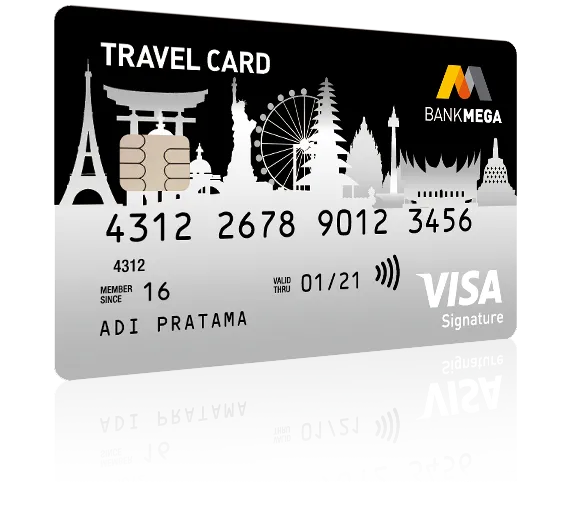
Photo: Bank Mega, CC BY-SA 4.0, via Wikimedia Commons
There's a difference between free and free-ish. One means you can ship a project today and pay nothing until the heat death of the universe. The other means free for 30 days, or free until you need HTTPS, or free if you hand over your Visa first and remember to cancel.
We wanted to know which is which. So we ran an experiment: sign up for six well-known free hosting plans using a fresh email address, a small static site, and a tiny Node API. The rules were simple — no credit card, no debit card, nothing with a 16-digit number on it. If a host demanded payment info, that was an instant fail. If the signup flow turned into a slot machine of upsell modals, we docked points.
Here's how it shook out.
The Scoring System
Each host got graded on four things:
- Card required at signup? (Hard pass/fail)
- Deploy friction — how many steps from signup to a live URL
- Upsell pressure — how aggressively the dashboard begged for money
- Forever-free odds — could a hobbyist realistically stay at $0 indefinitely
The Results, Ranked
1. The Genuinely Free One
One host — the one all the indie hacker forums keep recommending — delivered exactly as advertised. Email signup, GitHub login, deploy in under five minutes. The dashboard has a pricing tab, sure, but it stays in its lane. No popups, no countdown timers, no "your trial expires in 72 hours" banners. The free tier limits are real but generous enough that a side project won't hit them for months. Verdict: actually free.
2. Free With Fine Print
The runner-up required no card and deployed fine, but the free tier comes with a gotcha: projects "sleep" after 15 minutes of inactivity, and waking one adds a 30-second cold start. That's not a paywall, but it's a nudge. The dashboard also surfaces a prominent "Upgrade to fix cold starts" button, which tells you exactly what their business model is. Verdict: free forever is possible, but they'd prefer you didn't.
3. Free Until You Need Anything
No card required, smooth deploy — and then we tried to add a custom domain and hit a wall. Custom domains are a paid feature. So are team members, log retention beyond one day, and anything resembling a reasonable bandwidth ceiling. For a hello-world page, it's fine. For anything you'd show a recruiter, you'll be reaching for your wallet. Verdict: free in the way a sample at Costco is free.
4. The Trial in a Trench Coat
This one asked for a card at signup "for verification purposes." We skipped it, and the account got downgraded to a limited sandbox mode — enough to poke around, not enough to actually host. Technically you can use it without paying, but the experience is deliberately hobbled. Verdict: fail. A free plan you can't deploy to isn't a free plan.
5. The Upsell Funnel
Signup was card-free, we'll give it that. But the post-deploy experience was a masterclass in dark patterns. The "Free" badge on our project turned into an "Expiring" badge within an hour. Every dashboard visit triggered a modal. An email arrived the same day warning that our project would be suspended in 14 days unless we upgraded — a claim that contradicted their own pricing page. Verdict: technically free, spiritually a funnel.
6. The One That Wanted Everything Upfront
Our last host required not just a card but a phone number verification and a business-use questionnaire before we could even see the dashboard. We bailed at step two. Life's too short. Verdict: fail.
What We Learned
Three patterns emerged:
Cards at signup are the tell. If a host needs your card "for verification," the free tier is a funnel, full stop. The genuinely free hosts on our list survived fine on conversions from happy users.
Upsell frequency tracks with free-tier quality inversely. The host with the most generous free limits barely mentioned paid plans. The host with a nearly unusable free tier mentioned them constantly. When a product begs, it's because the free version is bait.
The real cost is your time. Even the "free" hosts that passed cost us something — an hour of fighting cold starts, a weekend reading terms of service, an afternoon migrating off a host that suspended a project out of nowhere.
The Bottom Line
If you're a hobbyist who wants to stay at $0 forever, your shortlist is short: the hosts that never asked for payment info and never guilt-tripped you afterward. Everyone else is selling you something, and the price is either your card number or your sanity.
We'll keep this experiment running — free tiers change fast, and a host that's honest today can go full-funnel tomorrow. Check back before you commit your next side project.